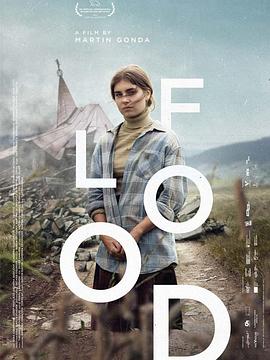
The film delves into the unexplored theme of the displacement of the Rusyn, an East Slavic ethnic group from the Eastern Carpathians in Central Europe, during the construction of the Starina reservoir in the 1980s. Set against this tumultuous backdrop, Flood intertwines personal and collective stories, bringing to the forefront the often-overlooked plight of the Rusyn minority in Slovakia. Gonda's film speaks to minorities, individuals who have experienced displacement and young adults through its protagonist, Mara. The story unfolds in a small village, threatened by an impending flood due to the construction of the reservoir. Mara, a young woman yearning for city life and an education, is bound to her rural roots by her strict father, a Rusyn farmer, who refuses to relinquish his land and legacy despite the looming end of their world. Flood explores the themes of adolescence, uprooting and the sacrifice of personal desires for the greater good. The film seeks to elicit reflections on one's roots and the concept of home, as well as the challenges of navigating a disappearing culture and heritage. The Starina reservoir's construction, which lasted from 1981-1988, led to the largest displacement in Slovak history. Gonda's personal connection to the region, having spent his childhood summers there, adds a layer of authenticity and depth to the narrative. The film not only recounts the physical destruction of the seven Rusyn villages, but also captures the emotional and cultural impact of this event on the community. The director aims to present a deeply researched, emotive and intimate story as well as diving into the complex dynamics between personal identity, community ties and the inexorable march of progress. The movie is poised to engage and challenge audiences, fostering a deeper understanding of the often-painful interplay between tradition and modernity.
A police officer arrives at a seemingly peaceful station but faces pressure when human remains are discovered. Given one week to solve the murder, he must navigate demands from his department and an anxious public seeking swift justice.
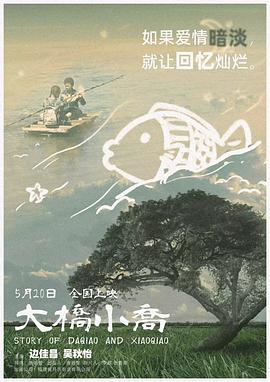
讲述了小乔因病回到母亲的故乡,在温馨祥和的小村子里认识了农村男孩大桥,两个孤独寂寞的孩子,在彼此的真情友谊中,找到了彼此情感的避风港,共同在一个美好夏天里,寻找奇迹的故事。
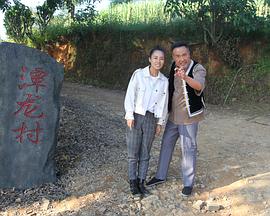
龙潭村是布朗族和汉族混居的一个山村,地处云南施甸县,是山高坡陡的地质灾害区,施甸县委派遣宣传干事付贤达驻村配合回乡建设的大学生村官依诺帮扶龙潭村脱贫致富。依诺大学本科毕业后考取了施甸县大学生村官,回到了自己的家乡龙潭村任职,一年半时间的工作得到了村里人的认可,也因为依诺有学历,原村长和村支书主动让贤,希望依诺能更加尽心尽力地为龙潭村服务,配合县里来的付贤达做好扶贫工作。
Five star movies制作8月14日拜神
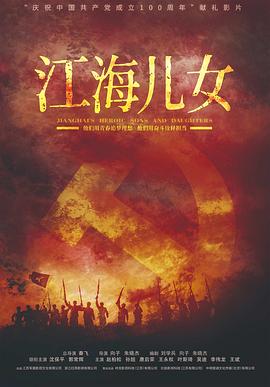
《江海儿女》讲述江海师范学校进步学生刘石钧(原型为南通籍著名革命家刘瑞龙)、女子师范冯菊芬等一批进步学生,与当地盘踞多年的反派势力斗智斗勇,从热血青年一步一步转变成骁勇善战的革命战士的故事。