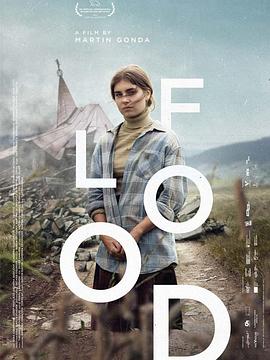
The film delves into the unexplored theme of the displacement of the Rusyn, an East Slavic ethnic group from the Eastern Carpathians in Central Europe, during the construction of the Starina reservoir in the 1980s. Set against this tumultuous backdrop, Flood intertwines personal and collective stories, bringing to the forefront the often-overlooked plight of the Rusyn minority in Slovakia. Gonda's film speaks to minorities, individuals who have experienced displacement and young adults through its protagonist, Mara. The story unfolds in a small village, threatened by an impending flood due to the construction of the reservoir. Mara, a young woman yearning for city life and an education, is bound to her rural roots by her strict father, a Rusyn farmer, who refuses to relinquish his land and legacy despite the looming end of their world. Flood explores the themes of adolescence, uprooting and the sacrifice of personal desires for the greater good. The film seeks to elicit reflections on one's roots and the concept of home, as well as the challenges of navigating a disappearing culture and heritage. The Starina reservoir's construction, which lasted from 1981-1988, led to the largest displacement in Slovak history. Gonda's personal connection to the region, having spent his childhood summers there, adds a layer of authenticity and depth to the narrative. The film not only recounts the physical destruction of the seven Rusyn villages, but also captures the emotional and cultural impact of this event on the community. The director aims to present a deeply researched, emotive and intimate story as well as diving into the complex dynamics between personal identity, community ties and the inexorable march of progress. The movie is poised to engage and challenge audiences, fostering a deeper understanding of the often-painful interplay between tradition and modernity.
A police officer arrives at a seemingly peaceful station but faces pressure when human remains are discovered. Given one week to solve the murder, he must navigate demands from his department and an anxious public seeking swift justice.
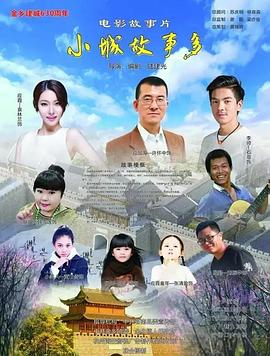
该片讲述了在3月14白色情人节这天,小镇女孩应颖遇到摄影师李帅,本来想“虐他”,没想到在交往过程中却喜欢上他。他们能相爱吗?答案在第二年的春天。
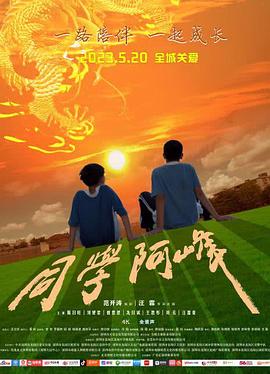
留守大山的张峰从小孤僻内向,转学后在老师和同学们的帮助下,他加入了学校舞龙队,经历各种打击和挫折,逐渐成长为阳光向上,积极开朗的中学生,并带领队员冲进全国锦标赛。
安妮是一家疗养度假村的老板,向来对人处处设防。当她遇见那位名叫奇克斯的脱俗女子后,原本被牢牢掌控的生活,开始以一种最治愈的方式分崩离析。
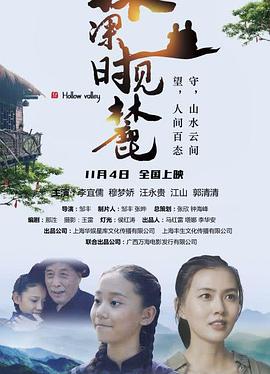
建筑系学生章佳贤因为参加抗震设计大赛受挫,前往地震区考察自己设计的可行性,过程中结识了守山人爷孙俩,随着时间推移与爷孙俩产生了深刻情感,就当章佳贤即将离开之际,爷爷出了意外,抓盗伐者过程中摔伤了腿,章佳贤决定留下来,开始思考巫云珠爷孙俩的未来,该如何继续。