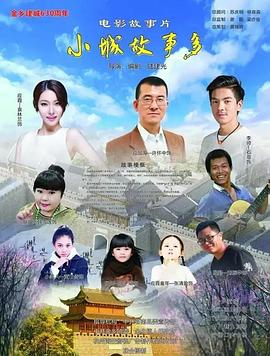
陈甘是一个怀瑞电影梦的小职员,在参加电影节的时候发生了一件大跌眼镜的 事情, 也机缘巧合获得了一笔电影投资, 当了导演,终于实现了拍电影的梦想。然而作为 一 个电影圈的菜⻦,拍电影的过程中遇到了各种出乎意料的因难:演员耍大牌、 工作人员 百般刁难、资金意外中断、 事故频发等等。在化解困难的过程中,发生了一 系列啼笑皆非 的故事,电影圆满完成拍摄。 但故事最后却发生了一件让所有人都出乎预料的反较...
Set in the early 1970s Singapore, when rock music was banned and long-haired men were considered gangsters, "Wonder Boy" follows the story of 16-year-old Richard (Benjamin Kheng), an aspiring musician and the school’s social outcast, as he joins a singing group – The Wonder Boys – and embarks on his coming-of-age journey through youthful ambition, friendships and first love, all the while trying to have his music heard.
该片讲述了在3月14白色情人节这天,小镇女孩应颖遇到摄影师李帅,本来想“虐他”,没想到在交往过程中却喜欢上他。他们能相爱吗?答案在第二年的春天。
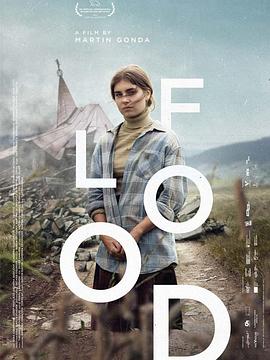
The film delves into the unexplored theme of the displacement of the Rusyn, an East Slavic ethnic group from the Eastern Carpathians in Central Europe, during the construction of the Starina reservoir in the 1980s. Set against this tumultuous backdrop, Flood intertwines personal and collective stories, bringing to the forefront the often-overlooked plight of the Rusyn minority in Slovakia. Gonda's film speaks to minorities, individuals who have experienced displacement and young adults through its protagonist, Mara. The story unfolds in a small village, threatened by an impending flood due to the construction of the reservoir. Mara, a young woman yearning for city life and an education, is bound to her rural roots by her strict father, a Rusyn farmer, who refuses to relinquish his land and legacy despite the looming end of their world. Flood explores the themes of adolescence, uprooting and the sacrifice of personal desires for the greater good. The film seeks to elicit reflections on one's roots and the concept of home, as well as the challenges of navigating a disappearing culture and heritage. The Starina reservoir's construction, which lasted from 1981-1988, led to the largest displacement in Slovak history. Gonda's personal connection to the region, having spent his childhood summers there, adds a layer of authenticity and depth to the narrative. The film not only recounts the physical destruction of the seven Rusyn villages, but also captures the emotional and cultural impact of this event on the community. The director aims to present a deeply researched, emotive and intimate story as well as diving into the complex dynamics between personal identity, community ties and the inexorable march of progress. The movie is poised to engage and challenge audiences, fostering a deeper understanding of the often-painful interplay between tradition and modernity.