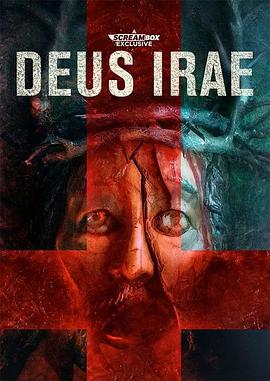
When, at the beginning of Deus Irae, Father Javier stares at a crucifix, his expressions and his hands suggest that the nerves are consuming him. A flashback reveals that this priest devotes his life to visiting families that claim to have seen things that do not belong to this world and cleansing their homes from the demons that try to possess them. But, upon returning to those houses, he notices that the evidence is always destroyed. This way, he discovers that a clan is after him, and must decide whether to hide from them or join them. In times when horror cinema tends to fall into the hands of directors that seek to build narratives that are introspective and close to reality, Pedro Cristiani goes back to old-school horror, where gore and the physical experience are above any other kind of feeling. A cinema that places the camera in front of the faces of the bloodiest demons and, instead of giving logic to them, chooses to face them whatever the cost.
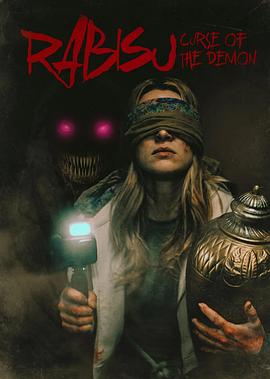
研究近东古代神话的年轻学者艾拉,在古董店购得一尊神秘陶罐后,家中接连遭遇诡异事件:物品莫名移位、深夜听见低语、家庭成员出现幻觉与精神崩溃。随着调查深入,她发现陶罐封印着古代美索不达米亚神话中的灾厄“拉比苏(Rabisu)”—— 这是一种以恐惧、精神错乱为食的无形恶魔。拉比苏不直接血腥杀戮,而是通过侵蚀心智、制造幻觉,让受害者在绝望中自我毁灭。艾拉必须在自己与家人彻底沦陷前,破解诅咒本源,驱散这只来自远古的恶魔。