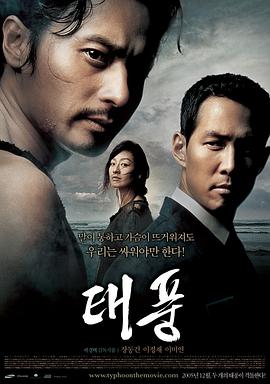
在台湾基隆港东北220公里处的海面上,一艘装载着核卫星导航装置的舰艇离奇失踪,经过调查确定他被一个名叫信(张东健饰)为首的海盗团伙夺取。在1983 年,年幼的信跟随全家人从北朝鲜逃往韩国寻求政治庇护,却被韩国政府拒之门外,除信和姐姐明珠(李美妍饰)得以逃生之外,其他人员均遭杀害。姐弟二人自此失去了联系,后来信成为海盗,对韩国的仇恨与日俱增,最终引发了现在的挟制核舰艇事件。 多年来信一直在寻找姐姐的下落,韩国防部查明底细后,派出海军高级军官姜世宗(李政宰饰)展开追捕行动。通过线报姜世宗探得明珠现在俄罗斯境内,在接触中,世宗产生了怜悯,同时矛盾不已。与此同时,信也得到明珠的下落,两个男人将展开一场殊死较量……
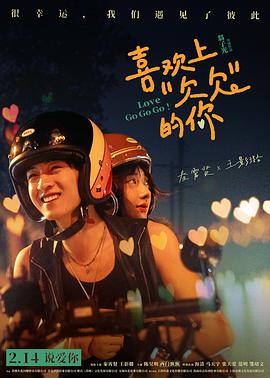
通过消费获取情绪满足的张若愚(秦霄贤 饰)遇上通过攒钱获取安全感的贾琼(王影璐 饰),一段“你花我拦”的奇妙纠葛就此开启。从互相嫌弃的省钱搭子,到渐生情愫的打趣逗乐,再到因误解而生出的刺痛猜疑……这段“欠欠”又“暖暖”的感情又将走向怎样的结局?
在孟买,两个社交笨拙的千禧一代,在努力自我接纳的过程中找到了爱情。当他们与内心的不安全感和社会压力斗争时,他们的旅程从城市的喧嚣一路延伸至群山的宁静之中。
一直不肯在城里生活的父亲突然主动来看望儿女,女儿虽感奇怪却也喜出望外,她还有个心愿:想要借此机会调解修复父亲和哥哥之间多年的隔阂。可是,父亲的突然病重打乱了这一原本温暖的团聚。在父亲住院的日子里,兄妹俩渐渐深入到他的内心世界和不为人知的过去,其中包含的愧疚、怨念、奉献和爱也是他们始料未及的。父亲能够转危为安吗?父子能够冰释前嫌吗?那个几乎造成了永久心灵创伤的真相到底是什么?
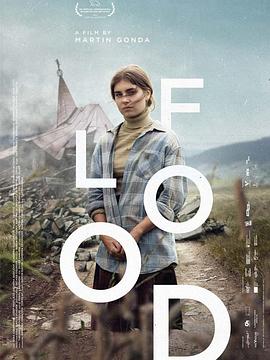
The film delves into the unexplored theme of the displacement of the Rusyn, an East Slavic ethnic group from the Eastern Carpathians in Central Europe, during the construction of the Starina reservoir in the 1980s. Set against this tumultuous backdrop, Flood intertwines personal and collective stories, bringing to the forefront the often-overlooked plight of the Rusyn minority in Slovakia. Gonda's film speaks to minorities, individuals who have experienced displacement and young adults through its protagonist, Mara. The story unfolds in a small village, threatened by an impending flood due to the construction of the reservoir. Mara, a young woman yearning for city life and an education, is bound to her rural roots by her strict father, a Rusyn farmer, who refuses to relinquish his land and legacy despite the looming end of their world. Flood explores the themes of adolescence, uprooting and the sacrifice of personal desires for the greater good. The film seeks to elicit reflections on one's roots and the concept of home, as well as the challenges of navigating a disappearing culture and heritage. The Starina reservoir's construction, which lasted from 1981-1988, led to the largest displacement in Slovak history. Gonda's personal connection to the region, having spent his childhood summers there, adds a layer of authenticity and depth to the narrative. The film not only recounts the physical destruction of the seven Rusyn villages, but also captures the emotional and cultural impact of this event on the community. The director aims to present a deeply researched, emotive and intimate story as well as diving into the complex dynamics between personal identity, community ties and the inexorable march of progress. The movie is poised to engage and challenge audiences, fostering a deeper understanding of the often-painful interplay between tradition and modernity.
Set in 18th century Venice, “Primavera” follows Cecilia, a 20-year-old violin virtuoso who lives at the Pièta orphanage. Despite her talent, Cecilia remains confined within the orphanage, knowing that marriage is the only way out. Yet, her life takes a turn after she meets Antonio Vivaldi, a brilliant and ambitious composer who becomes the new violin teacher. Guided by Vivaldi and his music, Cecilia “finds the strength to challenge the destiny that once seemed inevitable.
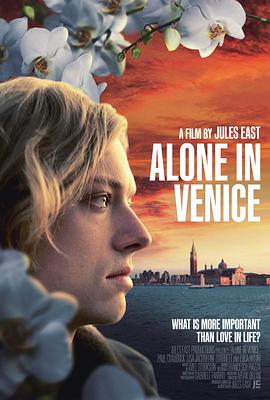
在威尼斯的中心,这座充满浪漫和神秘的神奇城市,一位年轻的演员等待着他心爱的杰出导演的到来。这一刻的等待对他来说不仅仅是时间,而是一次真正进入他的意识和情感深处的旅程。艺术的精神萦绕在他的周围,每一条通道、每一条狭窄的街道似乎都在告诉他爱情和人际关系的永恒问题。沉浸在他的思绪中,他开始意识到爱不仅仅是一种感觉,而是一个复杂而多方面的过程,充满欢乐和痛苦。威尼斯以其独特的氛围,不仅成为他的背景,而且成为他内心斗争的活生生的参与者,迫使他重新思考自己的情感和经历。他提出这样的问题:爱的真正含义是什么?沿着这些古老的桥梁和街道,每走一步,他都会感觉到自己对爱情的理解正在发生变化。他面对自己的恐惧和希望,以及那些使关系真正深刻和有意义的时刻。这种自我认识和意识到自己的感受的过程充满了他的灵魂,也许正是在这种寻找中,他发现的不仅仅是爱问题的答案。由此,威尼斯不仅成为一个等待的地方,更是一个深刻反思的空间,这里的每一个角落都在提醒人们,爱不仅是激情和浪漫,更是理解、信任和愿意向另一个人敞开心扉。