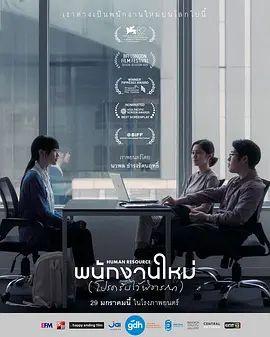
当一对年轻情侣发现他们的爱情受到极限考验,关于不忠的传言愈演愈烈时,他们爱情与事业之间的微妙平衡开始瓦解,迫使他们质疑彼此是否真的天造地设。
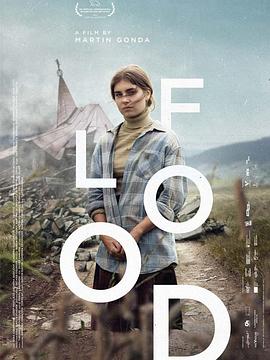
The film delves into the unexplored theme of the displacement of the Rusyn, an East Slavic ethnic group from the Eastern Carpathians in Central Europe, during the construction of the Starina reservoir in the 1980s. Set against this tumultuous backdrop, Flood intertwines personal and collective stories, bringing to the forefront the often-overlooked plight of the Rusyn minority in Slovakia. Gonda's film speaks to minorities, individuals who have experienced displacement and young adults through its protagonist, Mara. The story unfolds in a small village, threatened by an impending flood due to the construction of the reservoir. Mara, a young woman yearning for city life and an education, is bound to her rural roots by her strict father, a Rusyn farmer, who refuses to relinquish his land and legacy despite the looming end of their world. Flood explores the themes of adolescence, uprooting and the sacrifice of personal desires for the greater good. The film seeks to elicit reflections on one's roots and the concept of home, as well as the challenges of navigating a disappearing culture and heritage. The Starina reservoir's construction, which lasted from 1981-1988, led to the largest displacement in Slovak history. Gonda's personal connection to the region, having spent his childhood summers there, adds a layer of authenticity and depth to the narrative. The film not only recounts the physical destruction of the seven Rusyn villages, but also captures the emotional and cultural impact of this event on the community. The director aims to present a deeply researched, emotive and intimate story as well as diving into the complex dynamics between personal identity, community ties and the inexorable march of progress. The movie is poised to engage and challenge audiences, fostering a deeper understanding of the often-painful interplay between tradition and modernity.
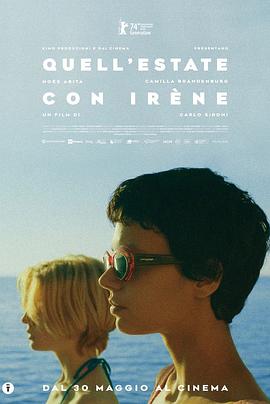
1997年,17岁的克拉拉和艾琳一见如故。她们溜到西西里的一座小岛上,决心在这里度过自由自在的夏天,也逃避那个她们想要忘记的事实。 该片曾入围2024年柏林国际电影节新生代少年单元。
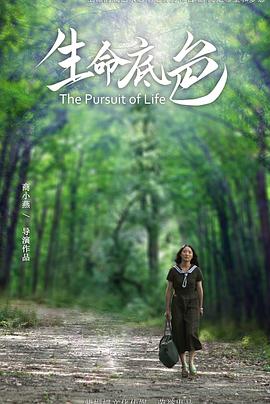
电影《生命底色》是根据彝族女作家白菊秋女(商小燕)的长篇小说《紫蝴蝶》改编。影片讲述了中国四川山区大凉山下的月亮湾中学女教师尚玉和她的两代学生因贫辍学而又重返校园的故事。
本片是现实与校园交织的题材,几个女孩在离开校园几年后的现实中,因为现实的无奈让她们对人生产生妥协后,因为一些事情的契机让他们重拾青春校园时期的壮志豪情,给现实生活增加动力的故事。“影片中没有残忍、阴郁,而是明亮的,纯澈的,幽默的。它将讲述所有怀揣梦想的拼搏者,不忘初心,坚持梦想,永不妥协。”
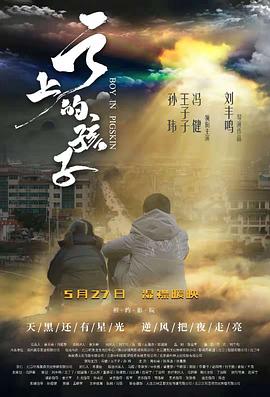
15岁的少年陆飞羽生活在中国南方的一个小城,因为脑垂体功能异常,使他看上去和正常孩子不一样,父亲陆建安在他10岁那年离他而去,与常年在菜市场摆摊卖猪肉的母亲姜桂琴相依过活。陆建安临走时送给陆飞羽一张一百块的假币,本意让陆飞羽忘记他这个不负责任的父亲,然后陆飞羽却视为珍宝。母亲姜桂琴对儿子百般呵护,几乎对他倾注了所有的爱。后来随着母亲的突然病倒和重组的家庭破裂之后被车撞成残疾的父亲,陆飞羽成了连接两个家庭之间的纽带,最终陆飞羽将落魄无助的父亲,和同父异母的妹妹接回到他和母亲的身边。