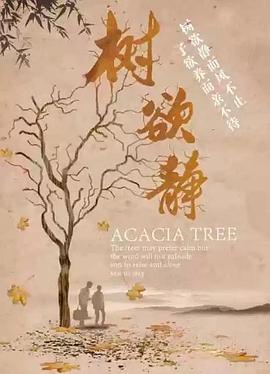
在城市打拼多年的阿吉事业⼩有所成,已是⼀家餐厅⽼板。这天,⼀位母亲带着两个孩⼦在店⾥⽤餐时的 温馨画⾯,深深勾起了阿吉对去世多年的母亲的思念。阿吉决定放弃城⾥的事业回家乡创业,为家乡建设 出⼀份⼒,更为了完成对母亲的承诺。妹妹⼩⾬为了⽀持哥哥放弃留校的⼯作机会,连准备结婚的男友也 离她⽽去。创业过程困难重重,但也得到了很多⽀持。再次踏上熟悉的⼟地,让⼈不禁想起了往事,那是 他们最爱的母亲的故事。 阿全和阿吉的⽗亲栓⼦亲如兄弟,在⼀次赶集时遇到了阿吉的母亲杨淑云。年轻时的母亲⾯容俊秀,笑容 像春⽇⾥花朵般温柔,兄弟⼆⼈都喜欢上了她。性格活泼外放的栓⼦,很快就表达了对杨淑云的爱慕。⽣ 性腼腆的阿全,却为了哥们隐藏了⾃⼰的情感。栓⼦和杨淑云终成眷属,并⽣下了阿吉和⼩⾬。这个原本 美满幸福的⼩家,却因⽗亲栓⼦意外去世被悲痛笼罩。看似柔弱的母亲为了守护⾃⼰的家庭,和命运顽强 抗争。
本作的舞台是音乐和舞蹈融入生活的冲绳。与母亲朱音、妹妹舞一起生活的照屋踊,憧憬舞蹈学校的丽莎,开始了舞蹈生涯。朱音为了支撑家数在酒吧工作,不擅长与人打交道的舞总是在学校前专心地注视着哥哥的身影。不久,踊与丽莎组成一对,绽放了她的才能。
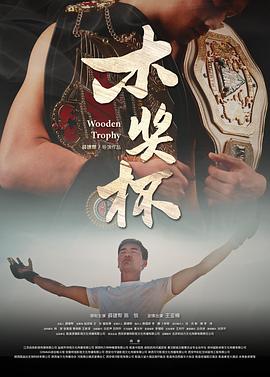
打综合格斗职业赛是偏远小镇上的彦碧一生的梦想。他已经30岁了还在挣扎。最终在教练李长河的帮助下,彦碧开始了圆梦之旅。铁笼之内,一条腰带一口气,不是站起来就是抬出去。梦想可以美好,现实却往往残酷。为了缅怀这位伟大的选手,教练做了个木奖杯,上面刻着永远的冠军。不是只有成功才值得尊重,有时候失败更伟大。
电影的主人公杨蓉是清阳昭有羊绒集团董事长,她凭借清阳人吃苦耐劳、敢想敢干的坚定信念,克服重重困难,成功将一带一路国际羊绒产业基地落户清阳,使清阳的羊绒产业有了一个更加美好的明天。
大学讲师蜀乔(梁翠珊 饰)在前往欧洲的工作之旅中,爱上了旅居布拉格的戏剧导演瞿秋凡(张宁浩 饰)。然而,她在中国不仅有未婚夫(任彬 饰),还有体面的中产阶级生活在等着她。她面临着一个艰难的抉择。
因龙凤胎弟弟卓卓出生时不幸夭折,赛马冠军吾金将女儿央姆视如己出,以培养男儿之志的方式悉心教养。为承续父亲毕生夙愿,央姆矢志投身藏族传统赛马运动,毅然踏上雪域高原的赛道。她策骏马、驭长风,在疾驰中锤炼意志,在挑战中砥砺勇气,终以卓越表现赢得尊重与荣光——这位身着氆氇袍、驰骋于苍茫草原的年轻女骑手,不仅实现了对父亲的郑重承诺,更在古老而庄严的藏族赛马文化中书写了属于新时代女性的动人篇章。
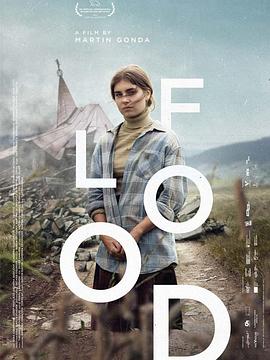
The film delves into the unexplored theme of the displacement of the Rusyn, an East Slavic ethnic group from the Eastern Carpathians in Central Europe, during the construction of the Starina reservoir in the 1980s. Set against this tumultuous backdrop, Flood intertwines personal and collective stories, bringing to the forefront the often-overlooked plight of the Rusyn minority in Slovakia. Gonda's film speaks to minorities, individuals who have experienced displacement and young adults through its protagonist, Mara. The story unfolds in a small village, threatened by an impending flood due to the construction of the reservoir. Mara, a young woman yearning for city life and an education, is bound to her rural roots by her strict father, a Rusyn farmer, who refuses to relinquish his land and legacy despite the looming end of their world. Flood explores the themes of adolescence, uprooting and the sacrifice of personal desires for the greater good. The film seeks to elicit reflections on one's roots and the concept of home, as well as the challenges of navigating a disappearing culture and heritage. The Starina reservoir's construction, which lasted from 1981-1988, led to the largest displacement in Slovak history. Gonda's personal connection to the region, having spent his childhood summers there, adds a layer of authenticity and depth to the narrative. The film not only recounts the physical destruction of the seven Rusyn villages, but also captures the emotional and cultural impact of this event on the community. The director aims to present a deeply researched, emotive and intimate story as well as diving into the complex dynamics between personal identity, community ties and the inexorable march of progress. The movie is poised to engage and challenge audiences, fostering a deeper understanding of the often-painful interplay between tradition and modernity.