90后青年李航一腔热血创业,被他同学富家女马莉投资说服,创建约好婚恋网。他与合租室友卢广众组织马莉、陈一舟等人举办旅游相亲活动,经历连串令人意想不到的事件后,他们收获彼此信任和爱情。
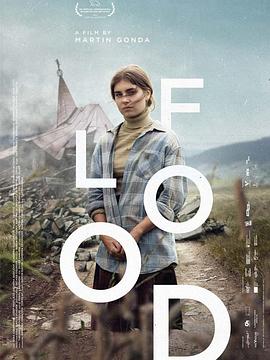
The film delves into the unexplored theme of the displacement of the Rusyn, an East Slavic ethnic group from the Eastern Carpathians in Central Europe, during the construction of the Starina reservoir in the 1980s. Set against this tumultuous backdrop, Flood intertwines personal and collective stories, bringing to the forefront the often-overlooked plight of the Rusyn minority in Slovakia. Gonda's film speaks to minorities, individuals who have experienced displacement and young adults through its protagonist, Mara. The story unfolds in a small village, threatened by an impending flood due to the construction of the reservoir. Mara, a young woman yearning for city life and an education, is bound to her rural roots by her strict father, a Rusyn farmer, who refuses to relinquish his land and legacy despite the looming end of their world. Flood explores the themes of adolescence, uprooting and the sacrifice of personal desires for the greater good. The film seeks to elicit reflections on one's roots and the concept of home, as well as the challenges of navigating a disappearing culture and heritage. The Starina reservoir's construction, which lasted from 1981-1988, led to the largest displacement in Slovak history. Gonda's personal connection to the region, having spent his childhood summers there, adds a layer of authenticity and depth to the narrative. The film not only recounts the physical destruction of the seven Rusyn villages, but also captures the emotional and cultural impact of this event on the community. The director aims to present a deeply researched, emotive and intimate story as well as diving into the complex dynamics between personal identity, community ties and the inexorable march of progress. The movie is poised to engage and challenge audiences, fostering a deeper understanding of the often-painful interplay between tradition and modernity.
映画「楓」の主人公は、大切な人を失った2人の男女。出会いと別れ、愛と悲しみ、それでも前へ進もうとする2人の姿が、美しい季節の移り変わりを通して描かれる。楓の花言葉である「大切な思い出」「美しい変化」「遠慮」をキーワードとしたオリジナルストーリーだ。
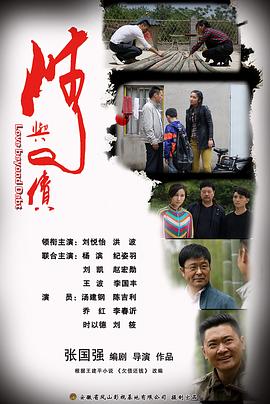
一笔沉重的债务,两任支书的心病;一段揪心离奇的故事,两种不同的价值观念;这是情与债的纠葛,这是邪与恶的较量;黑色幽默中尽显新农村人物的悲欢。且看深度关怀下酸甜苦辣的叙事:《情与债》。
故事设定在18世纪的英国,正值天花大流行与詹姆斯党起义的动荡时期。萨维奇爵士与野心勃勃的妻子萨维奇夫人,不顾一切地追逐地位与财富。他们对时代灾难视而不见,疯狂的执念让家族庄园沦为荒诞、奢靡与血腥的舞台:决斗频发、联盟在晚宴上轻易崩塌,家族姓氏“Savage”(野蛮)成了绝妙讽刺。这是一部黑色讽刺喜剧,辛辣解构阶级、权力与人性的贪婪 。
上世纪九十年代,巴蜀地区的夏庄村,是一个四周被1000多米海拔的高山绝壁围绕的“天坑村”。为了跟上时代的发展,为了村民的幸福,为了子孙后代的未来,夏庄村全体村民在村支书毛永福的带领下,不怕悬崖峭壁,不怕艰苦条件,奇迹般地在绝壁之上用自己的血肉之躯凿出了一条8公里长的“天路”。