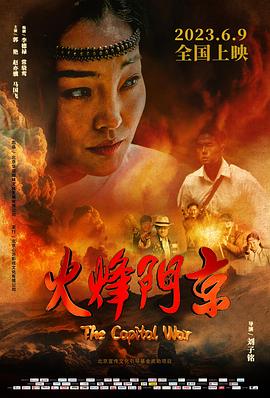
影片讲述了1937年7月7日卢沟桥事变后,北京西部地区以安志龙为代表的热血青年在京西(北京西部地区)抗日游击队受到日本侵略者的严重破坏后,临危受命,带着国恨家仇回到家乡,重新组建京西抗日武装,并与狡猾狠辣的日军少佐白鸟吉桥斗争,最后成功将其剿灭,为民族独立、民族自强而浴血奋战的故事。
心思单纯的鄂伦春族女孩李琳在职场被人以感情利用,在不知情的情况下泄露公司商业机密,由此引出两家竞争公司总经理的情感纠葛。最终两家公司总经理化解了多年的情仇,李琳也获得了自己的真爱。
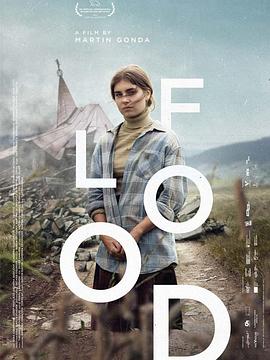
The film delves into the unexplored theme of the displacement of the Rusyn, an East Slavic ethnic group from the Eastern Carpathians in Central Europe, during the construction of the Starina reservoir in the 1980s. Set against this tumultuous backdrop, Flood intertwines personal and collective stories, bringing to the forefront the often-overlooked plight of the Rusyn minority in Slovakia. Gonda's film speaks to minorities, individuals who have experienced displacement and young adults through its protagonist, Mara. The story unfolds in a small village, threatened by an impending flood due to the construction of the reservoir. Mara, a young woman yearning for city life and an education, is bound to her rural roots by her strict father, a Rusyn farmer, who refuses to relinquish his land and legacy despite the looming end of their world. Flood explores the themes of adolescence, uprooting and the sacrifice of personal desires for the greater good. The film seeks to elicit reflections on one's roots and the concept of home, as well as the challenges of navigating a disappearing culture and heritage. The Starina reservoir's construction, which lasted from 1981-1988, led to the largest displacement in Slovak history. Gonda's personal connection to the region, having spent his childhood summers there, adds a layer of authenticity and depth to the narrative. The film not only recounts the physical destruction of the seven Rusyn villages, but also captures the emotional and cultural impact of this event on the community. The director aims to present a deeply researched, emotive and intimate story as well as diving into the complex dynamics between personal identity, community ties and the inexorable march of progress. The movie is poised to engage and challenge audiences, fostering a deeper understanding of the often-painful interplay between tradition and modernity.
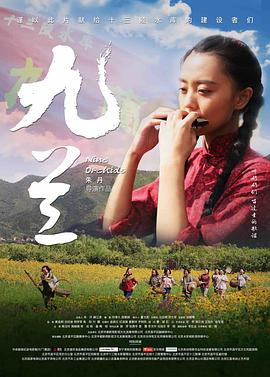
电影以建设十三陵水库为背景,由三代人的文化和思想观念的冲突,塑造了“九兰”一个时代的英雄群像,写出了普通劳动者对国家命运的担当。同时,也引发了一个发人深思的话题:什么是真正的“初心”。
2009 年,武汉市汉口老城区一个普通家庭。 袁志刚是一位从事电脑销售修理的中年人,他的妻子肖淑珍是公交司机,身患癌症,唯一的儿子袁小凡在外地读研三。一天,袁志刚突然接到儿子在长江救人牺牲的噩耗。为了让妻子好好治病,袁志刚决定隐瞒儿子去世的实情。期间,老袁因儿子手机被盗,意外结识与儿子声音很像的小混混泥鳅。两人达成合作,让泥鳅扮演“儿子”给“母亲”打电话。肖淑珍在“儿子”的声音里获得慰藉,安然离世。 然而,一切并没有那么简单…… 本片拍摄完成于2019年武汉疫情封城之前,全程武汉取景,由发生在武汉的真实故事改编。