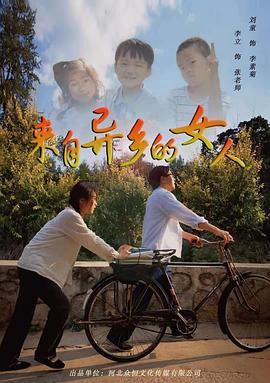
一个四川籍俊俏的女人,来到太行西部山区为病故的丈夫讨要薪水,不料在西山村碰见三个无依无靠孤苦伶仃的孩子,阴差阳错来到这个家担当起母亲的职责,随后几次回家不成,自己由姨身份变为孩子真正的母亲……
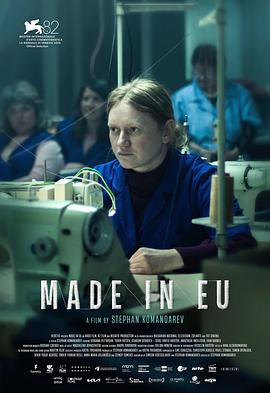
伊娃在保加利亚乡村的一家服装厂工作,一直受一种顽固却原因不明的疾病困扰。当她被确诊为小镇首例新冠病例后,各种指责声如潮水般涌来——先是急于推卸责任的工厂老板,接着是她的同事、儿子,最终整个社区都将矛头指向了她,尽管伊娃已经多年没有离开过这座小镇。 随着病毒出现首批受害者,对伊娃的公开妖魔化愈演愈烈,她很快成了被社会排斥的弃儿。 这部影片的结构接近社会悬疑剧,聚焦新冠疫情中不为人知的层面。曾入围戛纳电影节、荣获卡罗维发利国际电影节水晶地球仪奖的导演斯蒂芬·科曼达雷夫,此次携新作回归,影片对激进资本主义进行了反思——这又是一幅扣人心弦、贴合时代且充满力量的被剥削者群像,整部作品均在欧盟境内制作完成。
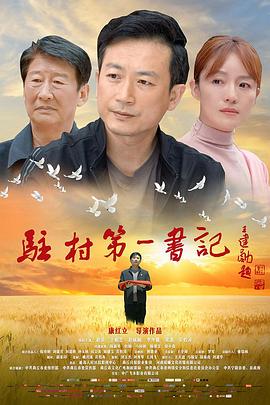
新派驻村第一书记党勤福刚报完到就要求村主任带他去村里了解贫困户情况,面对村民重重刁难与误解他从未气馁,当得知申请修路的项目批准的时候却接到通知,命他停职反省。 他憋着委屈回到暂别近两个月的家时却看到生病的母亲,满含愧疚的他跪在母亲面前。 洗清冤屈后的党勤福任务也完成了,经上级党委严格考核后,决定授予他“优秀共产党员”称号。
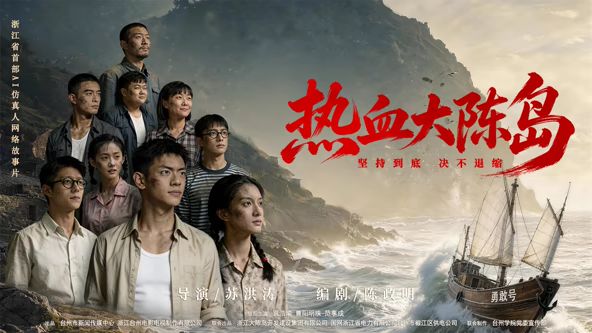
狄仁杰初任大理寺卿负责追查数年前韩相遗留的玄龙六相法宝。狄仁杰辗转道观、秘教据点与古遗迹查询法宝的下落,查出六宝同用会出现幻境致人暴毙。遗迹幻境中李大人贪求长生毒发身亡,狄仁杰销毁全部法宝,守护大唐安宁。
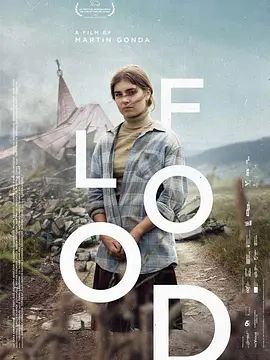
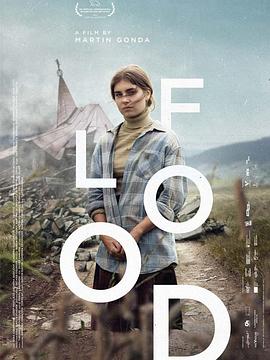
The film delves into the unexplored theme of the displacement of the Rusyn, an East Slavic ethnic group from the Eastern Carpathians in Central Europe, during the construction of the Starina reservoir in the 1980s. Set against this tumultuous backdrop, Flood intertwines personal and collective stories, bringing to the forefront the often-overlooked plight of the Rusyn minority in Slovakia. Gonda's film speaks to minorities, individuals who have experienced displacement and young adults through its protagonist, Mara. The story unfolds in a small village, threatened by an impending flood due to the construction of the reservoir. Mara, a young woman yearning for city life and an education, is bound to her rural roots by her strict father, a Rusyn farmer, who refuses to relinquish his land and legacy despite the looming end of their world. Flood explores the themes of adolescence, uprooting and the sacrifice of personal desires for the greater good. The film seeks to elicit reflections on one's roots and the concept of home, as well as the challenges of navigating a disappearing culture and heritage. The Starina reservoir's construction, which lasted from 1981-1988, led to the largest displacement in Slovak history. Gonda's personal connection to the region, having spent his childhood summers there, adds a layer of authenticity and depth to the narrative. The film not only recounts the physical destruction of the seven Rusyn villages, but also captures the emotional and cultural impact of this event on the community. The director aims to present a deeply researched, emotive and intimate story as well as diving into the complex dynamics between personal identity, community ties and the inexorable march of progress. The movie is poised to engage and challenge audiences, fostering a deeper understanding of the often-painful interplay between tradition and modernity.