姚瑶带着重病父亲的嘱托和1000万元的奖金来到一个以道德闻名的小镇,寻找父亲当年的救命恩人,让她没有想到的是,在这里,父亲的“恩人”似乎远远不止一人。
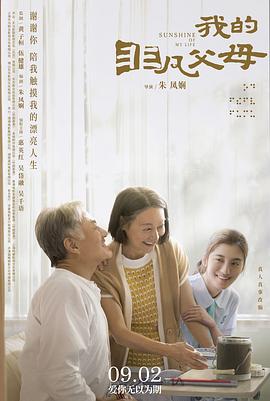
影片讲述拥有一双明眸的朱芷欣(吴千语 饰),却有一对失明父母:甘笑红(惠英红 饰)、朱国强(吴岱融 饰)。乖巧懂事的她从小便成为父母的“眼睛”,为父母描绘世间的形状与颜色。随着女孩青春期的到来,热爱绘画并天赋异禀的她渴望到国外攻读艺术,观念的冲突、频繁的争吵使家庭气氛降到了冰点。在机会来临之际,芷欣将会在家庭和梦想之间作何选择?
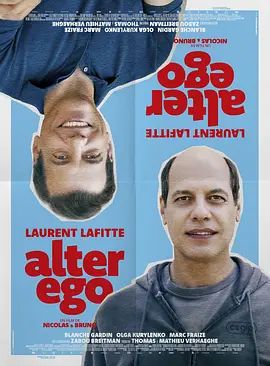
阿莉亚和本彼此相爱,但他们之间却隔着一道高墙,这种差异是无法强行改变的。在存在差异和相互冲突的幸福的情况下,爱情还能存续下去吗?
旅居海外的建筑师文新(韩立 饰)迫于为母亲安葬骨灰,回到阔别多年的故乡小城,正逢老街区面临保留和拆除的选择。年少时暗恋的邻居李梅(吴可熙 饰)说自己生不出孩子是和九十九间半宾馆有关,邻居大妈也说他母亲的死也与九十九间半宾馆有关,文新的心里暗流涌动,他接受了老区改造的顾问的邀请。似乎他拥有了保护古街区留着乡愁记忆的能力,和“圆梦”和“复仇”的机会。“圆梦”时他发现不能如愿,复仇又造成了新的伤害。阴阳生死轮回是自然规律,天人合一才是风水的真正内涵……
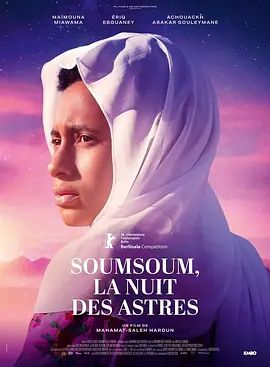
阿尔比起初只是远远地欣赏着谢拉。随着时间的推移,他们的情谊渐深,阿尔比成了始终陪伴在谢拉身边的那个人,当谢拉发现腹中肿块被确诊为囊肿,继而诊断出卵巢癌时,阿尔比始终是她最坚定的依靠。他们的爱情历经日益沉重的病痛考验,但阿尔比从未放弃。在最艰难的时候,他毅然选择与谢拉结婚,用行动诠释真挚的爱意终将穿越命运无情的风雪。
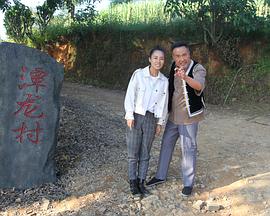
龙潭村是布朗族和汉族混居的一个山村,地处云南施甸县,是山高坡陡的地质灾害区,施甸县委派遣宣传干事付贤达驻村配合回乡建设的大学生村官依诺帮扶龙潭村脱贫致富。依诺大学本科毕业后考取了施甸县大学生村官,回到了自己的家乡龙潭村任职,一年半时间的工作得到了村里人的认可,也因为依诺有学历,原村长和村支书主动让贤,希望依诺能更加尽心尽力地为龙潭村服务,配合县里来的付贤达做好扶贫工作。
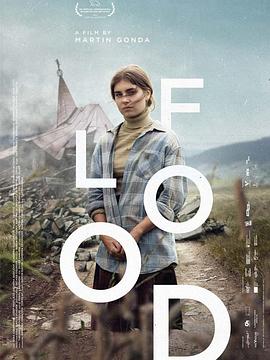
The film delves into the unexplored theme of the displacement of the Rusyn, an East Slavic ethnic group from the Eastern Carpathians in Central Europe, during the construction of the Starina reservoir in the 1980s. Set against this tumultuous backdrop, Flood intertwines personal and collective stories, bringing to the forefront the often-overlooked plight of the Rusyn minority in Slovakia. Gonda's film speaks to minorities, individuals who have experienced displacement and young adults through its protagonist, Mara. The story unfolds in a small village, threatened by an impending flood due to the construction of the reservoir. Mara, a young woman yearning for city life and an education, is bound to her rural roots by her strict father, a Rusyn farmer, who refuses to relinquish his land and legacy despite the looming end of their world. Flood explores the themes of adolescence, uprooting and the sacrifice of personal desires for the greater good. The film seeks to elicit reflections on one's roots and the concept of home, as well as the challenges of navigating a disappearing culture and heritage. The Starina reservoir's construction, which lasted from 1981-1988, led to the largest displacement in Slovak history. Gonda's personal connection to the region, having spent his childhood summers there, adds a layer of authenticity and depth to the narrative. The film not only recounts the physical destruction of the seven Rusyn villages, but also captures the emotional and cultural impact of this event on the community. The director aims to present a deeply researched, emotive and intimate story as well as diving into the complex dynamics between personal identity, community ties and the inexorable march of progress. The movie is poised to engage and challenge audiences, fostering a deeper understanding of the often-painful interplay between tradition and modernity.
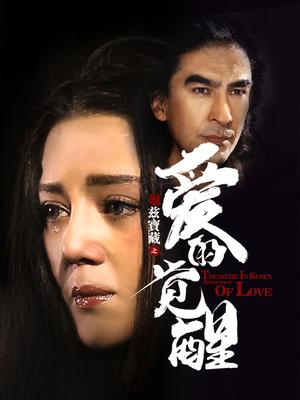
龟兹文化博大精深,埋藏在塔克拉玛干沙漠中的祖辈遗物,随着考古探寻向世界提供了古人类的智慧。生存,劳动,繁衍生息。